Top Lifestyle App Trends for 2026: How Apps Are Quietly Reshaping Daily Life
I've tried more apps than I can count, and most of them don't last. They get downloaded, explored for a few days, and quietly deleted. The ones that stay are different. They don't demand attention — they fit into life.
As we move into 2026, lifestyle apps are no longer about adding features. They’re about deep personalization, smarter AI, and experiences that feel natural rather than digital.
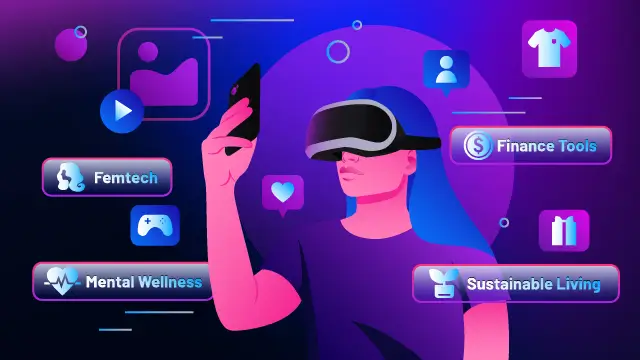
This article will highlight the lifestyle app trends that are genuinely shaping everyday life in 2026 — not just the ones making headlines.
AI-Powered Personalization Is the Core of Lifestyle Apps in 2026
In 2026, AI isn’t a bonus feature. It’s the foundation.
The lifestyle apps I rely on most don’t ask me to constantly input data. They learn quietly in the background and adjust as my routines change.
Apps like Oura, Fitbit, and WHOOP no longer just show charts and scores. They interpret sleep quality, stress signals, and long-term patterns to suggest when to rest, when to push, and when to slow down. What I appreciate most is that they don’t treat every day the same — because real life isn’t.
AI That Adapts to Real Life
On the productivity side, tools like Notion AI and Motion automatically reorganize tasks when meetings run late or plans fall apart. Instead of feeling behind, I feel supported.
This kind of AI-driven personalization is what makes lifestyle apps feel human in 2026.
Mental Wellness Apps Become Everyday Companions
Mental wellness is no longer a separate category.
It’s part of daily life. Apps like Headspace and Calm have evolved beyond meditation libraries. They now offer short check-ins, sleep support, breathing exercises, and gentle routines that fit into busy schedules.
Emotional Support Without Pressure
AI-assisted mental wellness apps such as Wysa and Youper are gaining popularity because they provide space to reflect without judgment. There’s no pressure to “fix” anything — just room to check in with yourself.
In 2026, mental wellness apps aren’t about dramatic transformation. They’re about stability, consistency, and feeling less overwhelmed.
Simple, Viral Lifestyle Apps Are Winning Attention
Not all popular apps are packed with features.
Some of the most talked-about lifestyle apps right now are extremely simple — and that’s the point.
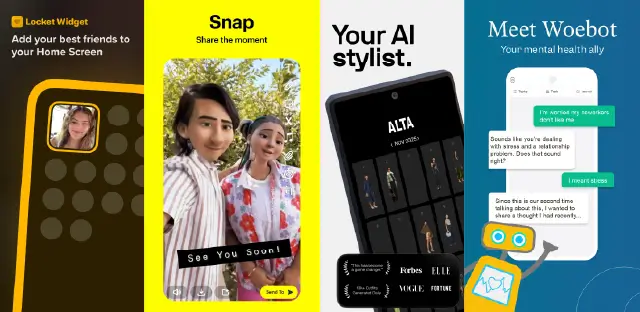
Apps like Locket (private photo sharing) and BeReal proved that authenticity still matters. In a similar way, newer minimalist apps are gaining traction by doing one thing well and staying out of the way.
Why Minimalist Apps Go Viral They’re easy to explain, easy to share, and easy to keep. That simplicity is powerful in a crowded app market.
Femtech Leads the Shift Toward Truly Personalized Health
One of the clearest trends I see is the rise of Femtech as a mainstream lifestyle category.
Apps like Flo, Clue, and Natural Cycles have moved far beyond simple cycle tracking. They now connect hormonal patterns to sleep, focus, fitness, and energy levels.
Health That Adapts, Not Dictates
Instead of pushing fixed routines, these apps help users plan life around how they actually feel. In 2026, that kind of personalization doesn’t feel niche — it feels overdue.
Femtech apps are setting a new standard for how health technology should work for everyone.
Sustainable Living Apps Blend Into Daily Habits
Sustainability works best when it doesn’t feel like extra effort.
Apps like Olio and Joro help users reduce food waste, track carbon impact, or make more conscious choices — without guilt or complexity. What’s changed in 2026 is how seamlessly these tools integrate into daily routines.
Sustainable living apps are no longer about perfection. They’re about small, repeatable actions that add up over time.
Finance Apps Become Lifestyle Tools, Not Just Money Managers
Money apps have quietly become some of the most powerful lifestyle apps.
Platforms like Revolut, Monzo, and Rocket Money use AI to predict expenses, flag unusual spending, and automate savings based on real behavior. I no longer feel like I have to “manage” money constantly — the apps do the heavy lifting.
Financial Awareness Without Anxiety
In 2026, the best finance apps don’t overwhelm users with numbers. They provide clarity, calm, and a sense of control, which is exactly what lifestyle technology should do.
AR and VR Create Immersive Everyday Experiences
Immersive technology is finally finding its place in daily life.
AR features in apps like IKEA Place and Sephora Virtual Try-On make it easier to visualize purchases before committing. These tools save time and reduce friction, which is why they’re becoming standard.
VR for Wellness and Movement
On the VR side, platforms like Supernatural and TRIPP turn fitness and meditation into immersive experiences. Instead of forcing motivation, they make routines more engaging and enjoyable.
In 2026, AR and VR aren’t about novelty — they’re about better experiences.
IoT Integration Makes Lifestyle Apps Feel Invisible
The most advanced lifestyle apps are the ones you barely notice. Smart home ecosystems like Apple Home and Google Home connect lighting, temperature, sleep routines, and daily schedules automatically. When paired with wearables and AI, lifestyle apps fade into the background and respond without being asked.
This invisibility is what makes technology feel mature.
Super Apps Bring Life Management Into One Place
Instead of downloading more apps, many people are using fewer. Super apps like Revolut and Grab combine payments, subscriptions, travel tools, and daily utilities into one ecosystem. In 2026, this consolidation reduces mental clutter and simplifies everyday decisions. Life feels easier when fewer apps compete for attention.
Privacy and Security Become Part of the Lifestyle Experience
With deeper personalization comes higher expectations for privacy.
Apps like Signal, Proton, and Apple Health are earning trust by offering strong data protection alongside advanced features. In 2026, privacy isn’t just a technical detail — it’s part of what makes an app feel safe and premium.
What All These Lifestyle App Trends Have in Common
When I look at the apps that are actually sticking around, one thing stands out.
The best lifestyle apps in 2026 don’t try to change who you are. They quietly support how you already live — helping you sleep better, stress less, stay focused, and make smarter everyday decisions.
And when an app does that well, it doesn’t feel like technology at all. It just feels helpful.
So I’m curious — which lifestyle app are you using right now, or which one do you want to try next?
And is there a feature or type of app you wish existed but still hasn’t shown up yet? S

Hi, I'm Chelsea Parker, a globetrotter, storyteller, and life enthusiast with a knack for turning everyday experiences into unforgettable lessons. From surviving $20-a-day adventures in Southeast Asia to mastering mindfulness in my daily routine, I share relatable and entertaining tales that inspire you all to explore, grow, and thrive. When i'm not writing, you may find me chasing sunsets, savoring street food, or dreaming up my next big adventure.